
Kebaya Panjang Sumatera Reimagined: The Story Behind Aluih Sumatera
There is a particular kind of grief that comes not from sudden loss, but from slow disappearance. Not the sharp absence of something precious, but the quiet fading. The moment you realize the thing you grew up with has been slipping away for years, and you never noticed until it was almost gone.
That is the feeling that gave birth to Aluih Sumatera.
A Name Rooted in Meaning
In the Minang language of West Sumatra, aluih means “refined.” Gentle. Soft in the way that water is soft: yielding on the surface, yet carrying tremendous depth beneath. It is a word that evokes a particular kind of Sumatran femininity that is neither loud nor passive, but quietly and unmistakably present.
It is the perfect name for a label that set out not to reinvent the Kebaya Panjang Sumatera, but to remember it.
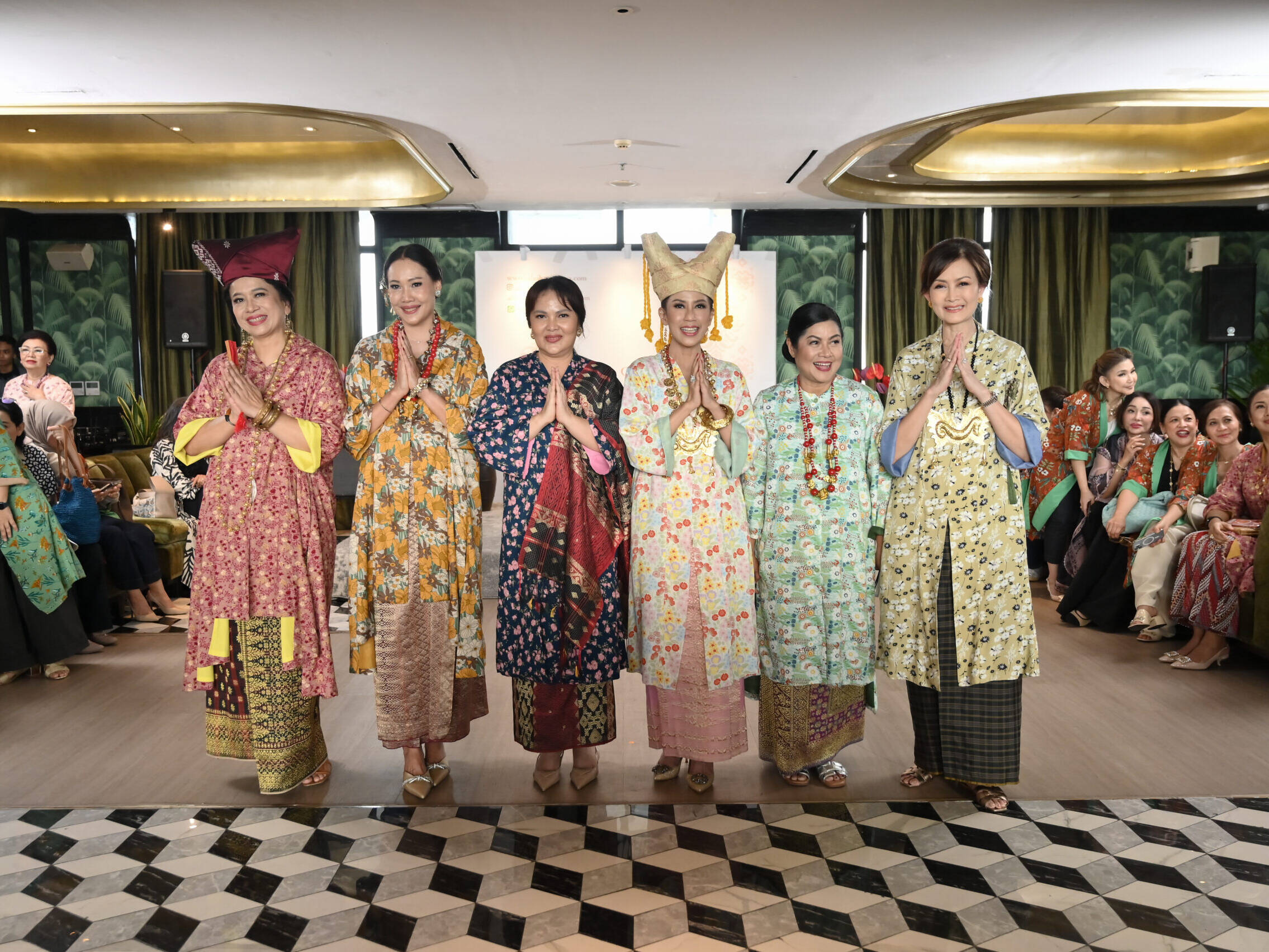
Aluih Sumatera was founded by six friends from West Sumatra: Anggi Tjaja, Dian Sjarif, Faulin Irmawan, Intan Abdams, Lia Dira, and Penty Djani. Six women who grew up knowing the kebaya as a living garment, not a relic. And six women who, over the years, watched it quietly retreat from daily life into the narrow corridors of ceremony and obligation.
The label launched through an intimate gathering called An Ode To Aluih (Sumatera). The title feels less like a product launch and more like a letter written to something beloved, which in many ways, it was.
What Going Home Revealed
Sometimes the sharpest clarity comes from returning to where you started.
Faulin Irmawan has spoken about the experience of going home to West Sumatra for Lebaran, the annual mudik that millions of Indonesians make each year. A journey back to roots, to family, to the towns that shaped them. And what she noticed on those visits was not what was there, but what was missing.
The Kebaya Panjang Sumatera had disappeared from the frame.
Not dramatically and not all at once, but noticeably and undeniably. Where grandmothers and aunts had once moved through the day in their kebaya panjang, the younger generations had moved on. Even at weddings and important family gatherings, the garment that once belonged naturally in those moments had become rare.
Anggi Tjaja described the same feeling: watching the Kebaya Panjang Sumatera fade not just from the cities, but from the villages themselves. From the very communities where it had always lived most naturally. The shift is not a matter of indifference. It is a matter of distance. The kebaya began to feel like something that required an occasion to justify wearing it. Something formal. Something that needed a reason.
Aluih Sumatera was founded on the belief that no reason should be needed.
Understanding the Kebaya Panjang Sumatera
To understand what Aluih Sumatera is doing, it helps to understand what the Kebaya Panjang Sumatera actually is, and what it has always been.
The kebaya, in its many regional variations, is one of Indonesia’s most enduring garments. Historically worn as everyday dress across much of the archipelago, it was once as natural to Indonesian women as any item in a modern wardrobe. Its forms vary widely: the Kebaya Kartini of Central Java, the Kebaya Encim of Betawi-Chinese heritage, the Kebaya Bali worn on temple days. Each version carries the specific memory and identity of its people.
The Kebaya Panjang Sumatera is the West Sumatran expression of this tradition. It is characterized by its length, falling gracefully past the hips, and its clean, composed silhouette: a symmetrical front opening, a gentle V-neckline, long sleeves. There is no excessive embellishment. No ornate structure. Its beauty lies in its restraint, in the quality of its fabric, in the way it moves with the body rather than against it.
This is a garment built not for the stage, but for life.
What Aluih Sumatera Does Differently
What Aluih Sumatera brings to this tradition is not disruption. It is devotion, expressed through a contemporary lens.
The label’s design philosophy is deliberate in its cleanliness. Where some heritage fashion brands lean into embellishment to assert cultural weight, Aluih moves in the opposite direction. The silhouette stays true to its origins: that elongated line, that front opening, that composed neckline. What changes is the sensibility. Fabrics are chosen for their softness and wearability. The cuts are adapted for how women actually live today, for movement, for layering, for the multi-styling that a full and busy life demands.
Multi-styling is worth dwelling on as a concept. It reflects a core conviction behind Aluih Sumatera: the Kebaya Panjang Sumatera should not be a costume reserved for special occasions and then carefully folded away. It should be a garment worn to a family gathering and then to a quiet lunch. Something that can be layered, mixed, and styled without losing its essential character. Something that earns a place in a regular wardrobe rather than sitting unused until the next ceremony.
This is how the kebaya was originally worn. Aluih Sumatera is simply asking women to remember that.
More Than Fashion: Cultural Stewardship in Fabric Form
There is a tendency, when discussing heritage fashion, to romanticize preservation as though the goal were to freeze something in amber. Aluih Sumatera is not interested in that.
What the six founders are reaching toward is something more nuanced and ultimately more meaningful: the idea that cultural inheritance is not a museum to maintain, but a living practice to continue. The Kebaya Panjang Sumatera does not need to be rescued from history. It needs to be returned to everyday life, where it can breathe again, be seen again, be chosen again.
In that sense, every piece that Aluih Sumatera produces is a quiet argument made in fabric and silhouette. A case that Indonesian women do not have to choose between their heritage and their daily lives. That the two can coexist naturally, as they always did before distance crept in.
The word aluih carries this entire philosophy within it. The brand is not trying to shout. It is trying to remind.
Gracefully Crafted for the Modern Generation
Aluih Sumatera describes itself simply: “Gracefully crafted from Sumatera for the modern generation.”
There is something quietly powerful about that sentence. It does not promise revolution. It does not claim to reinvent anything. It says: this is where we come from, and this is who we are making it for. Women who carry Sumatran heritage in their bones and want a garment that honors that without asking them to step outside of their own lives to wear it.
As the brand moves toward its official launch, it carries with it something the best fashion always does: a genuine reason to exist. Not a market gap identified by analysis, but a felt absence. The empty space where the Kebaya Panjang Sumatera used to be, and the shared determination of six women from West Sumatra to fill it again.
Softly. Gracefully. The way anything worth keeping has always endured.
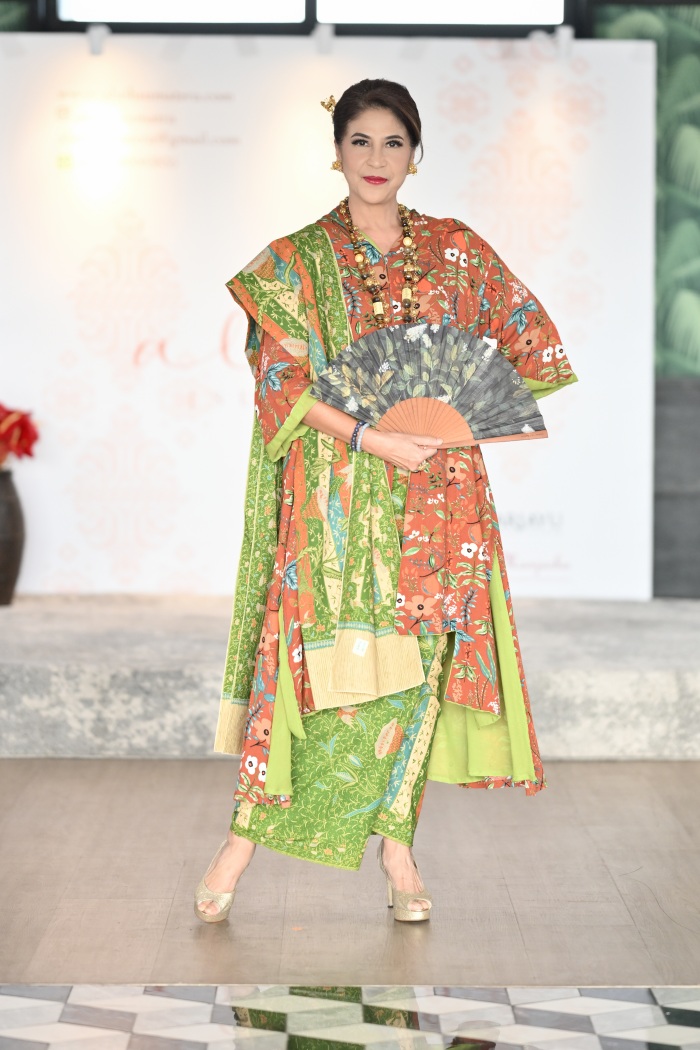
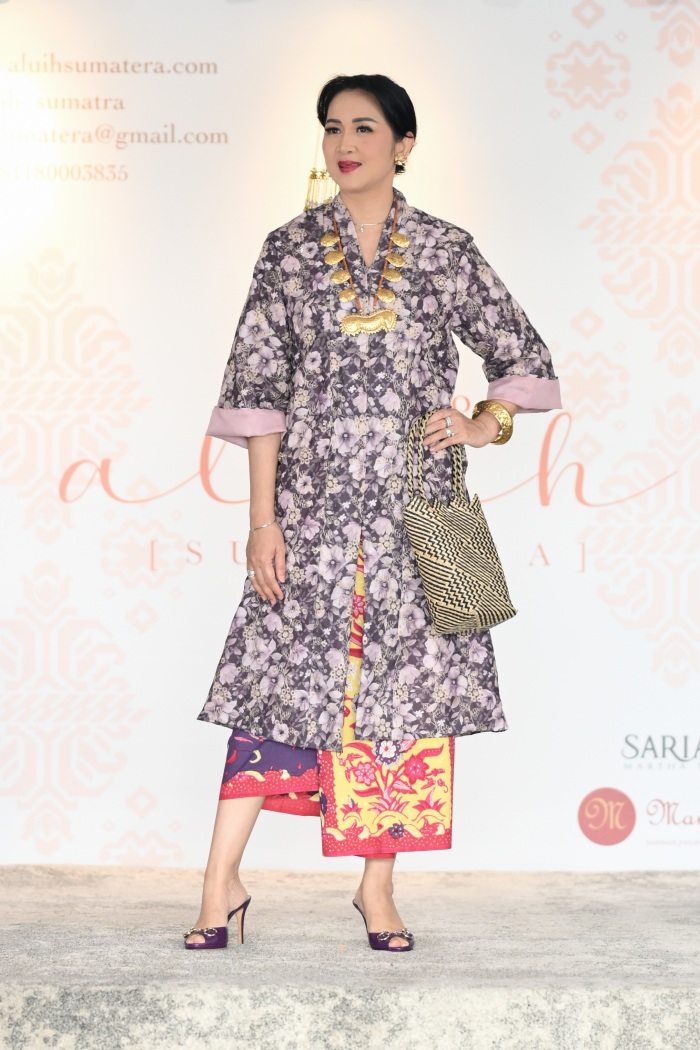
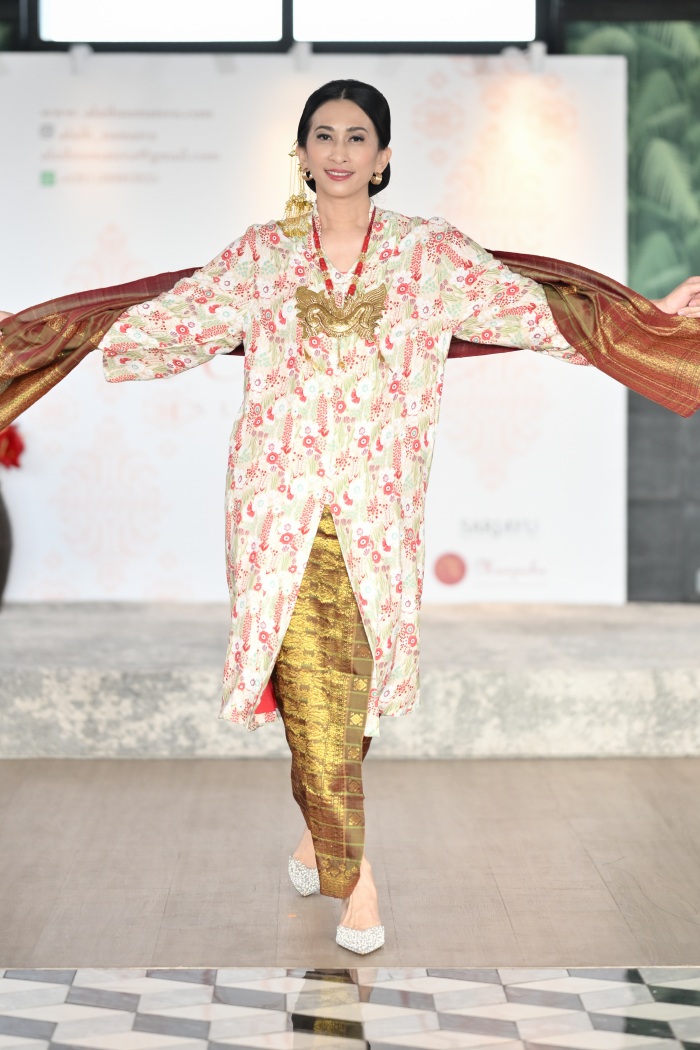
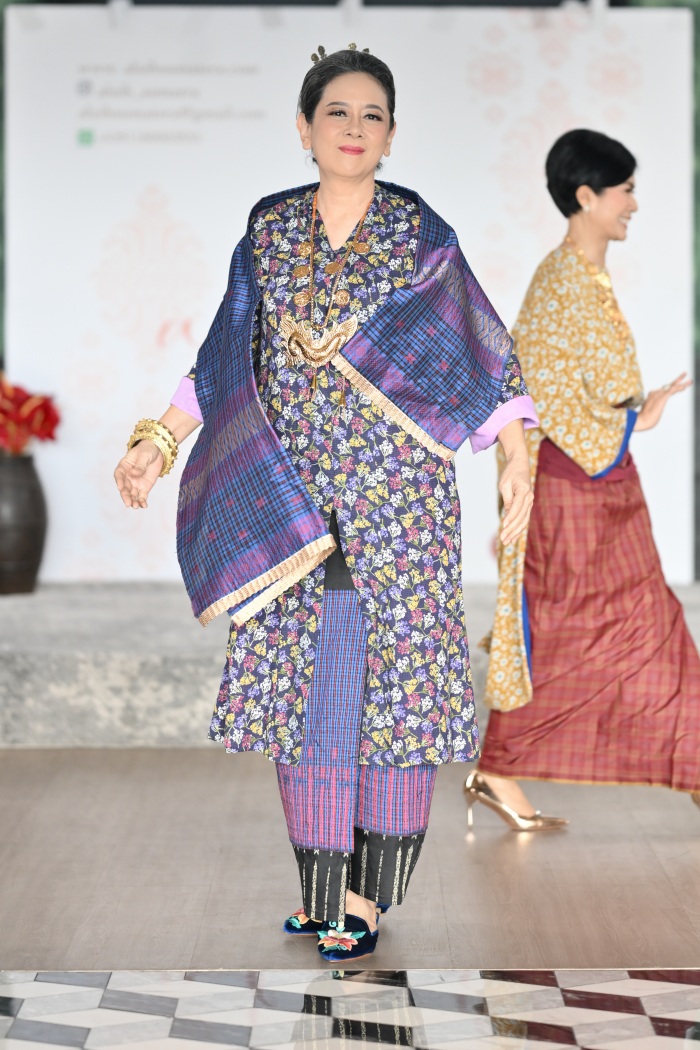
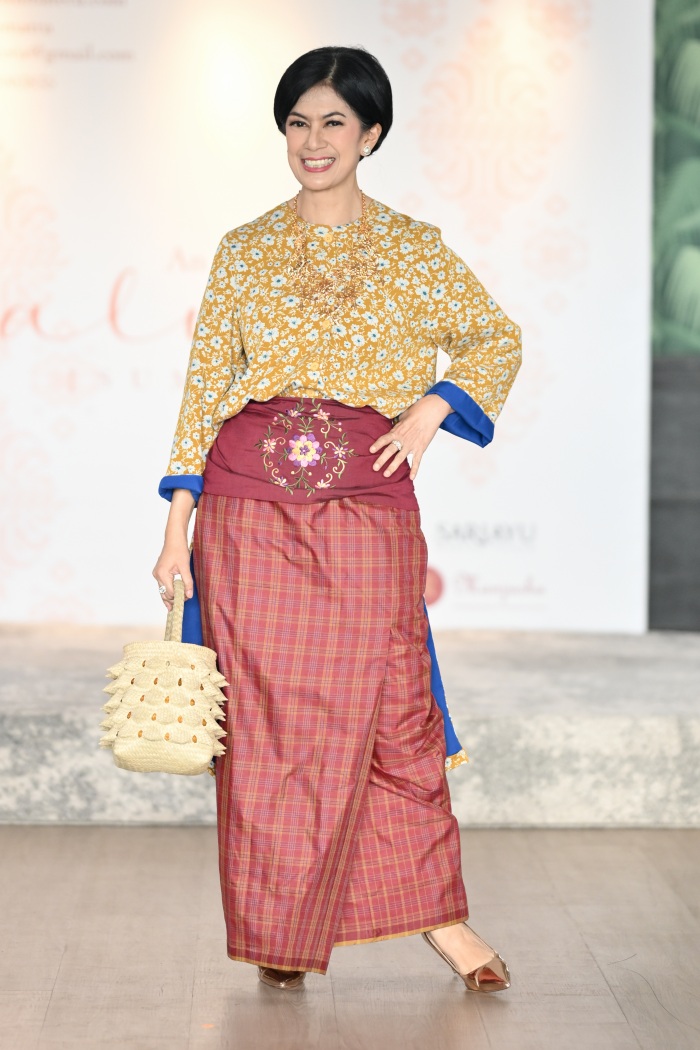
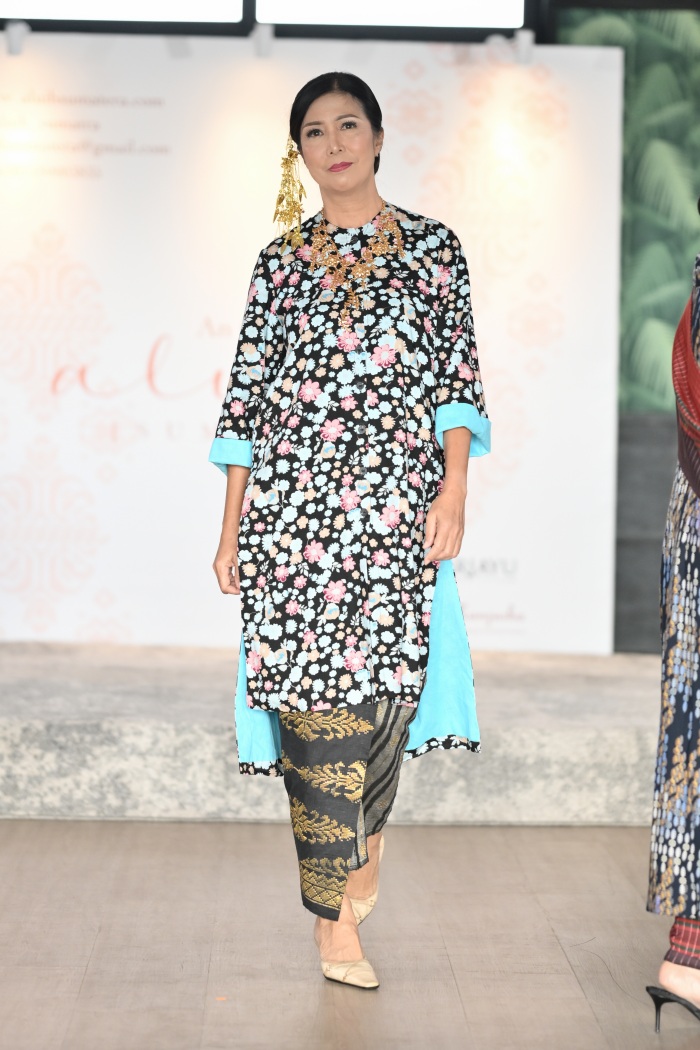
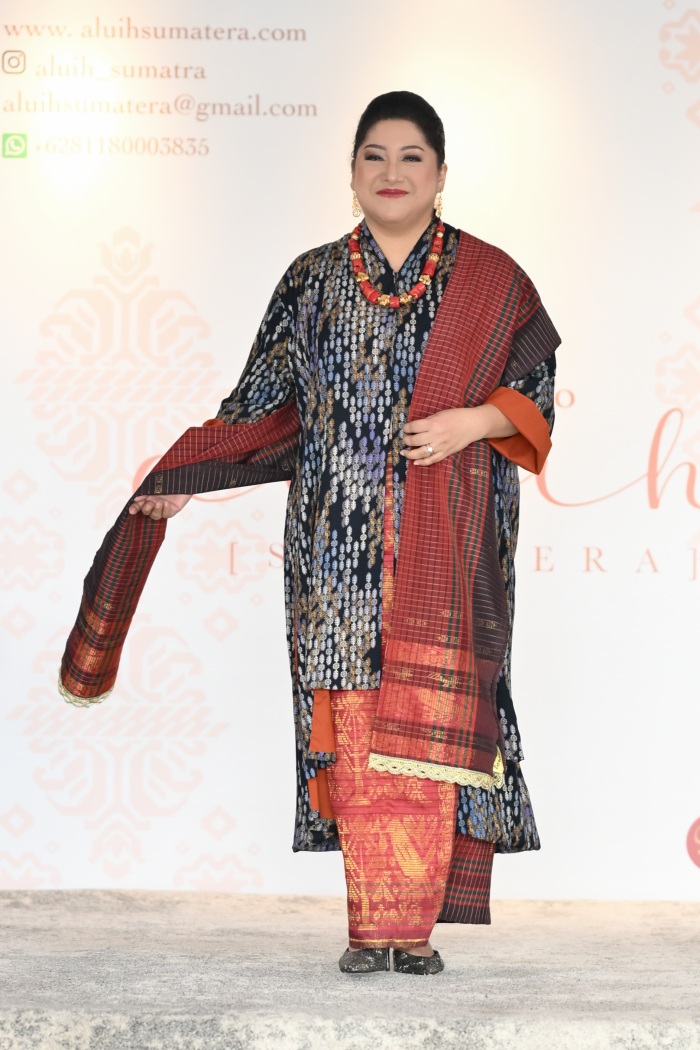
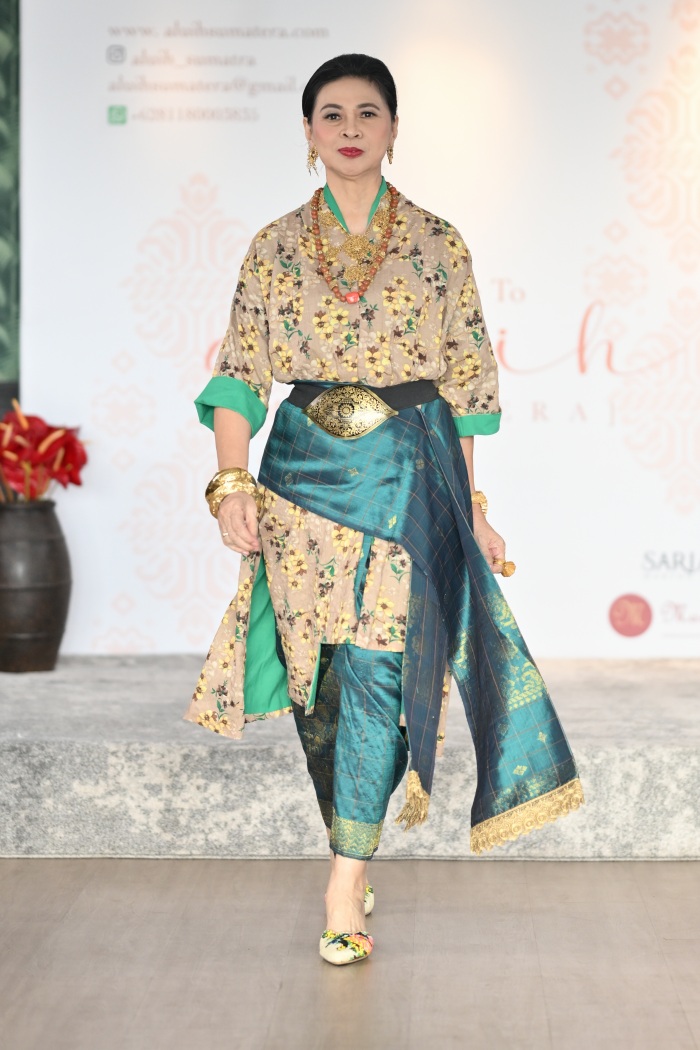
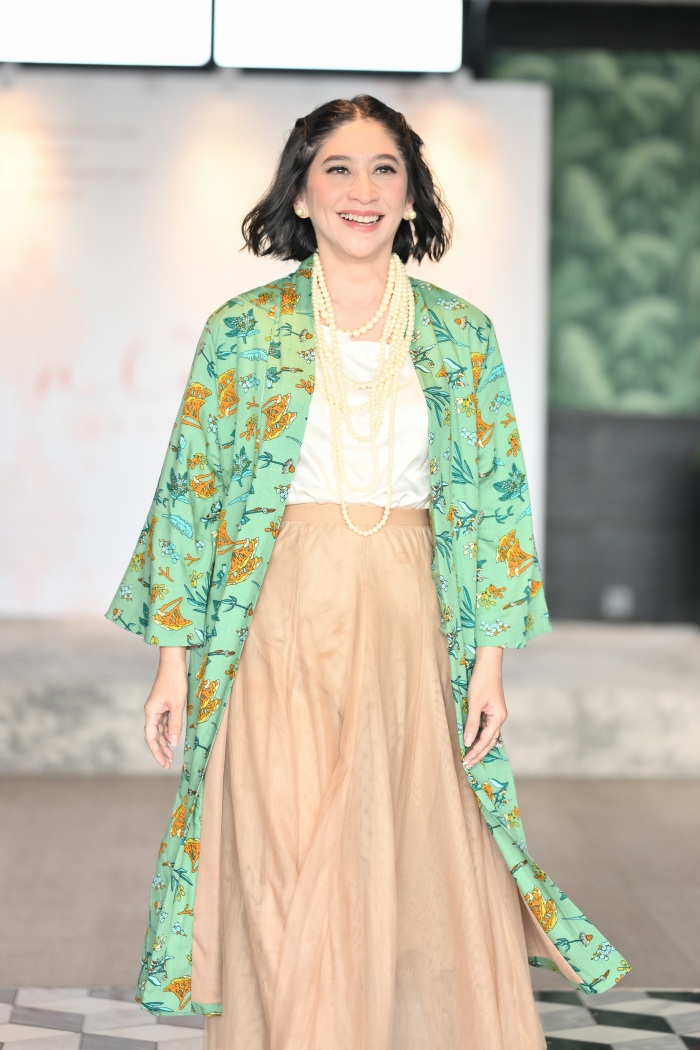
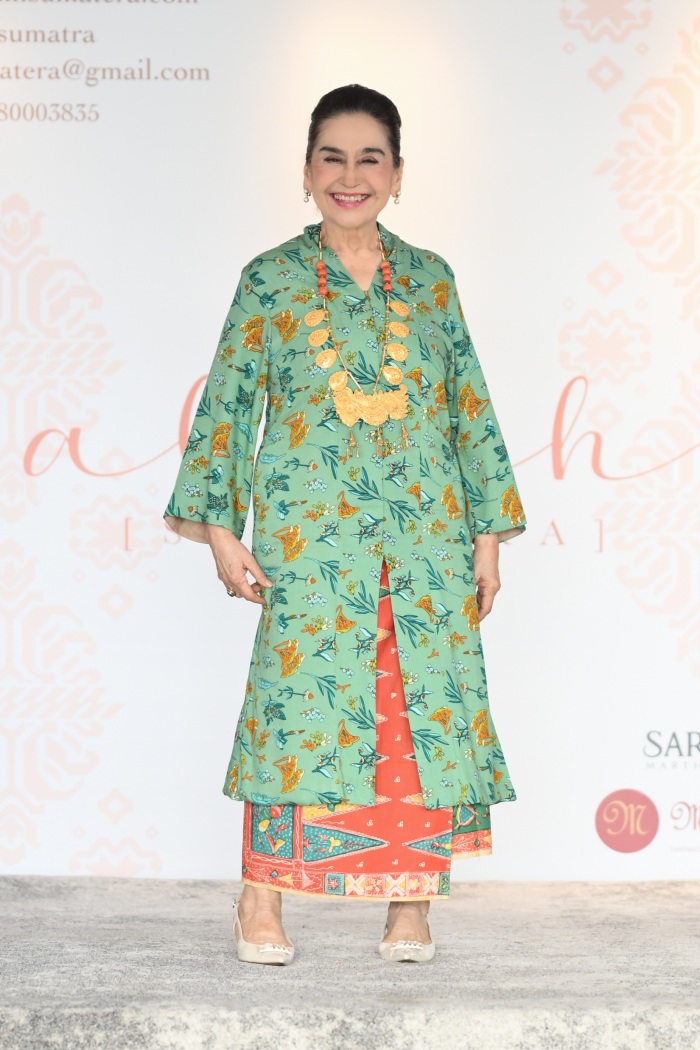
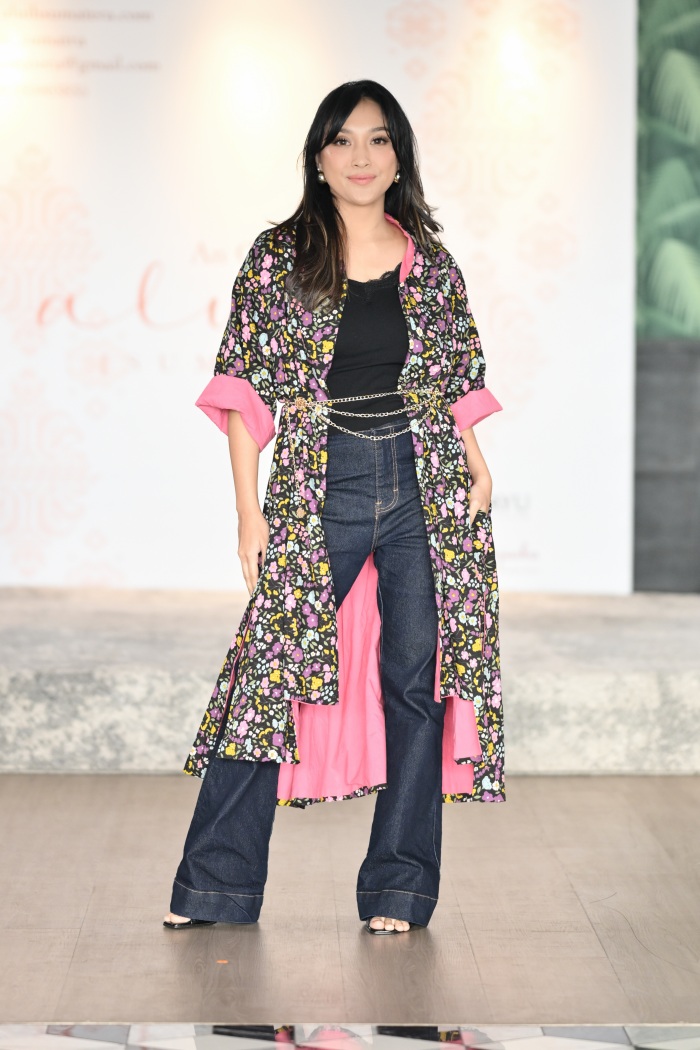
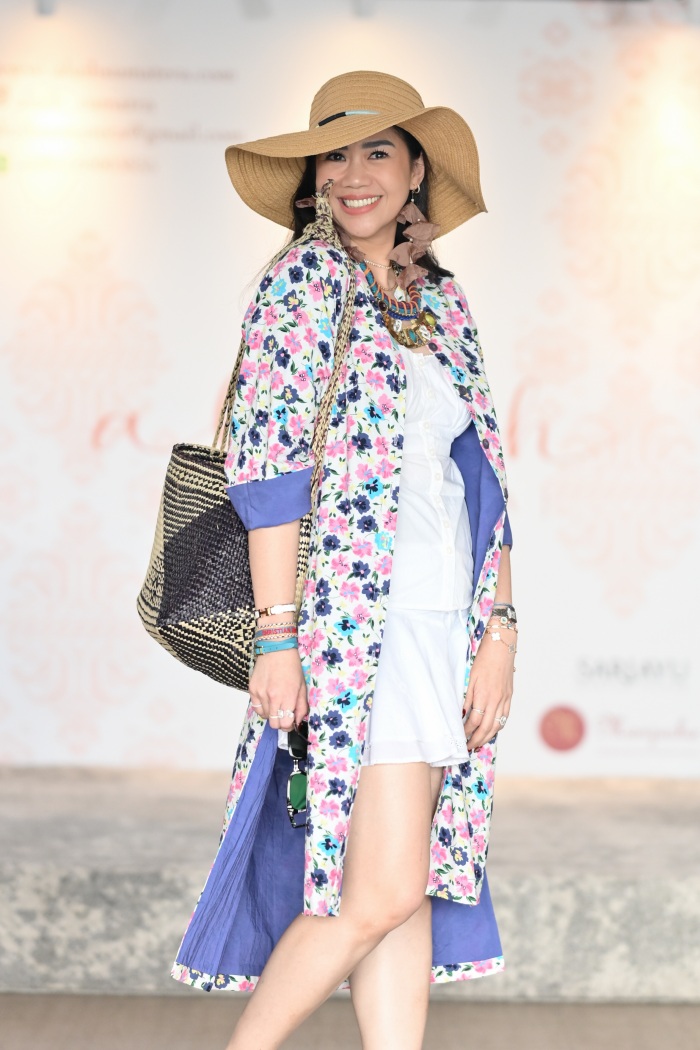
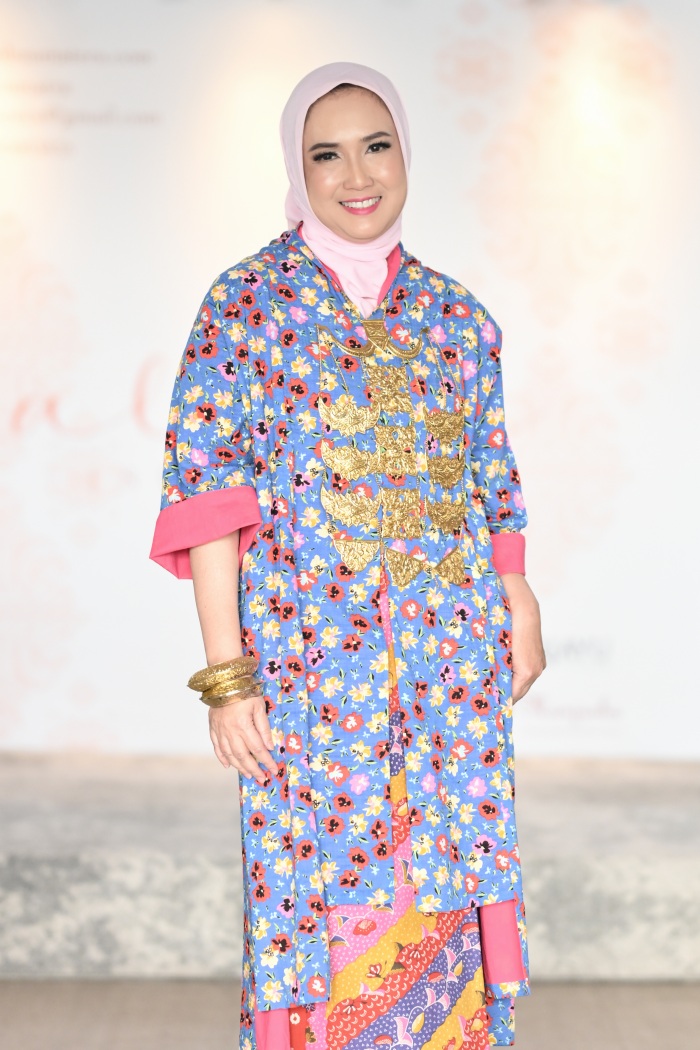
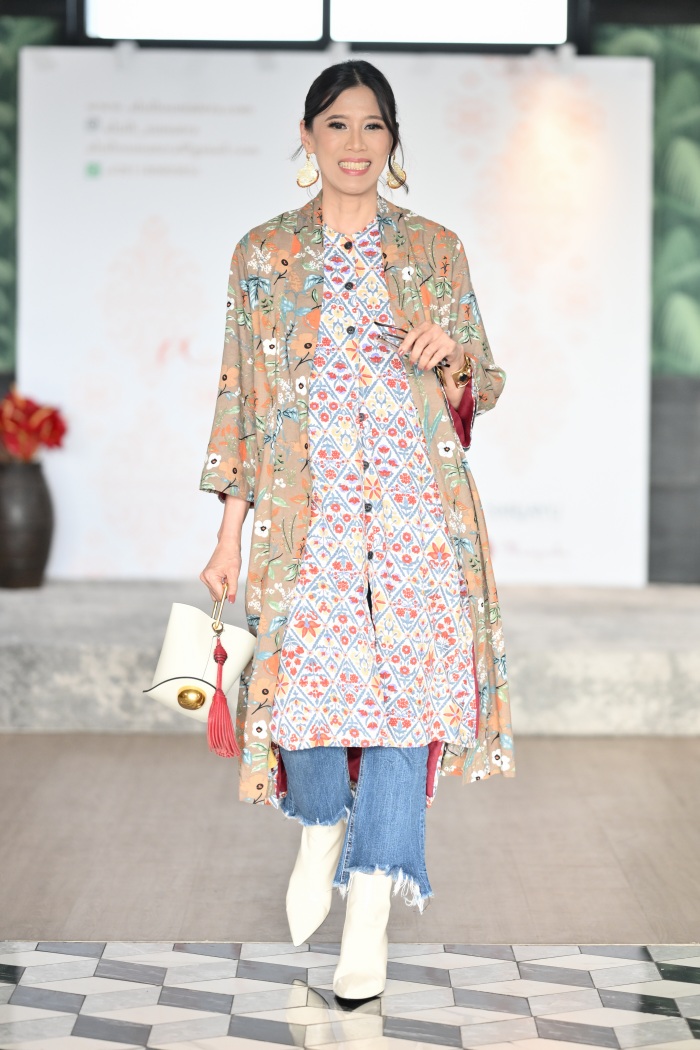
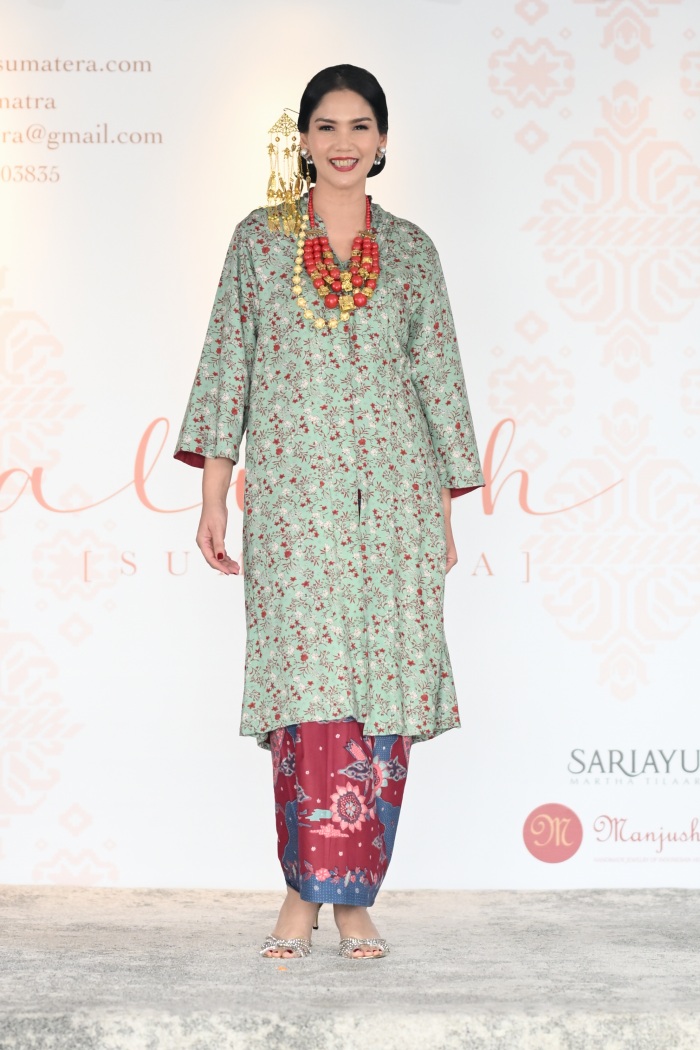
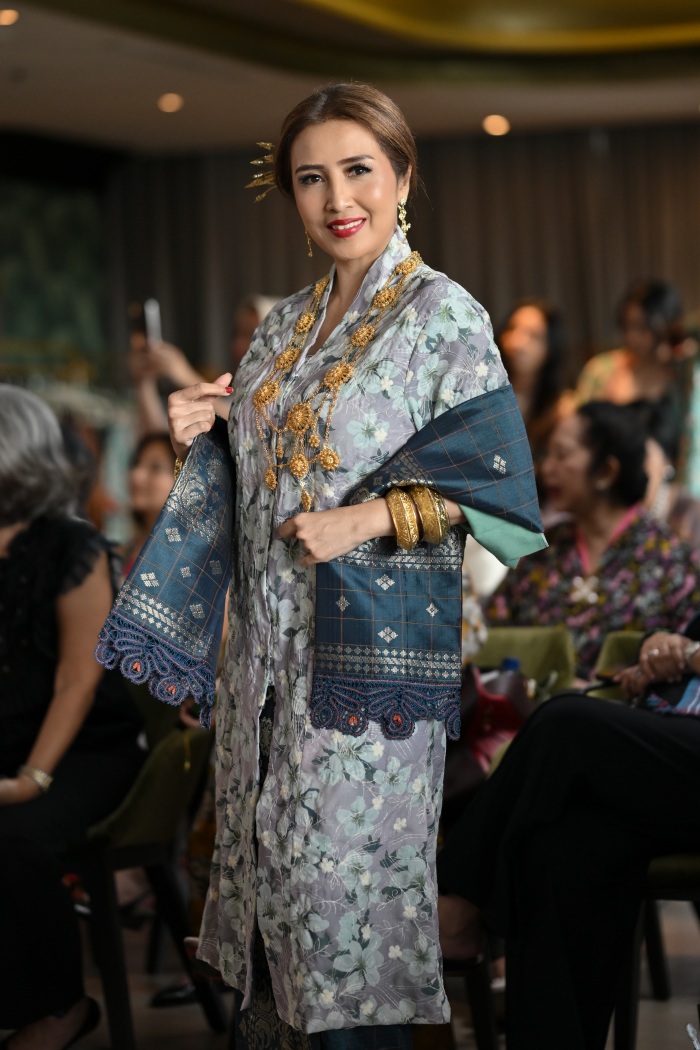
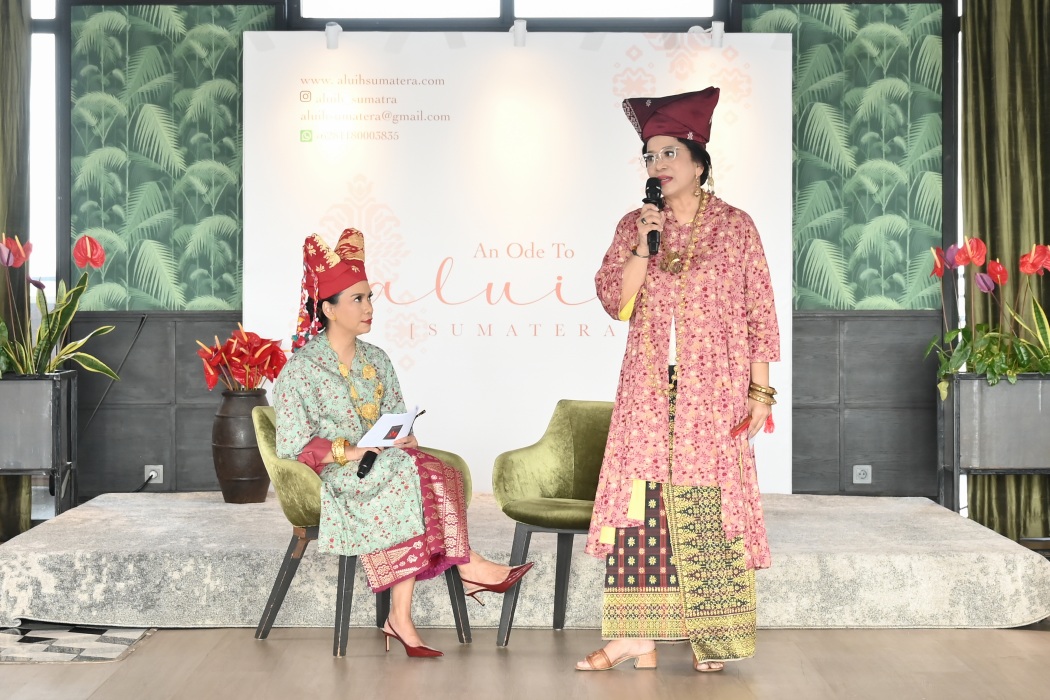
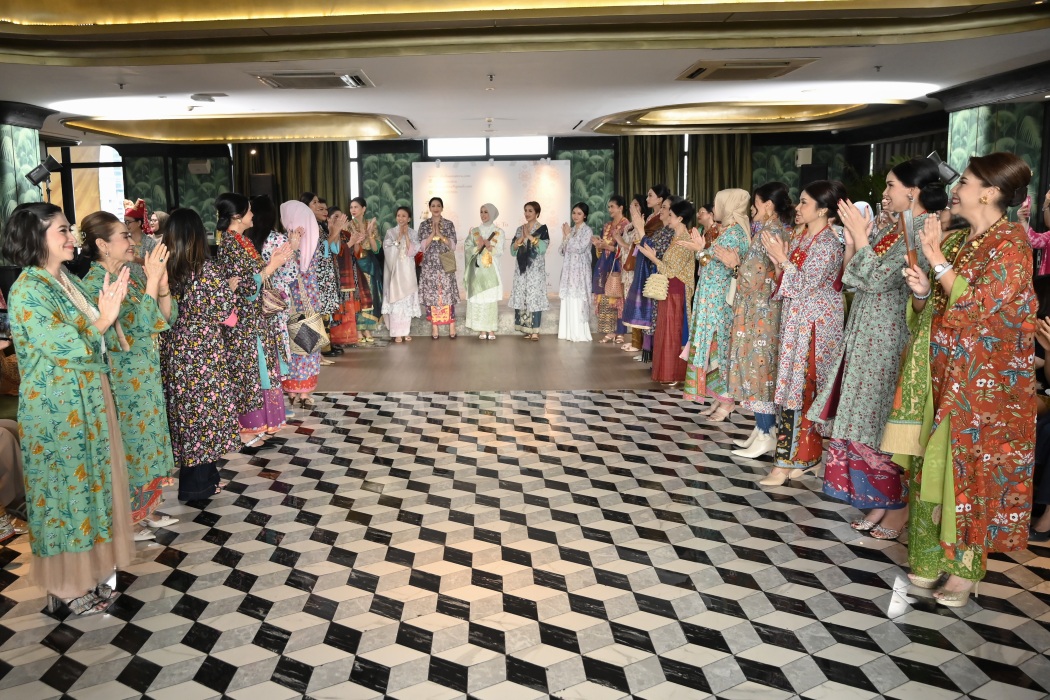
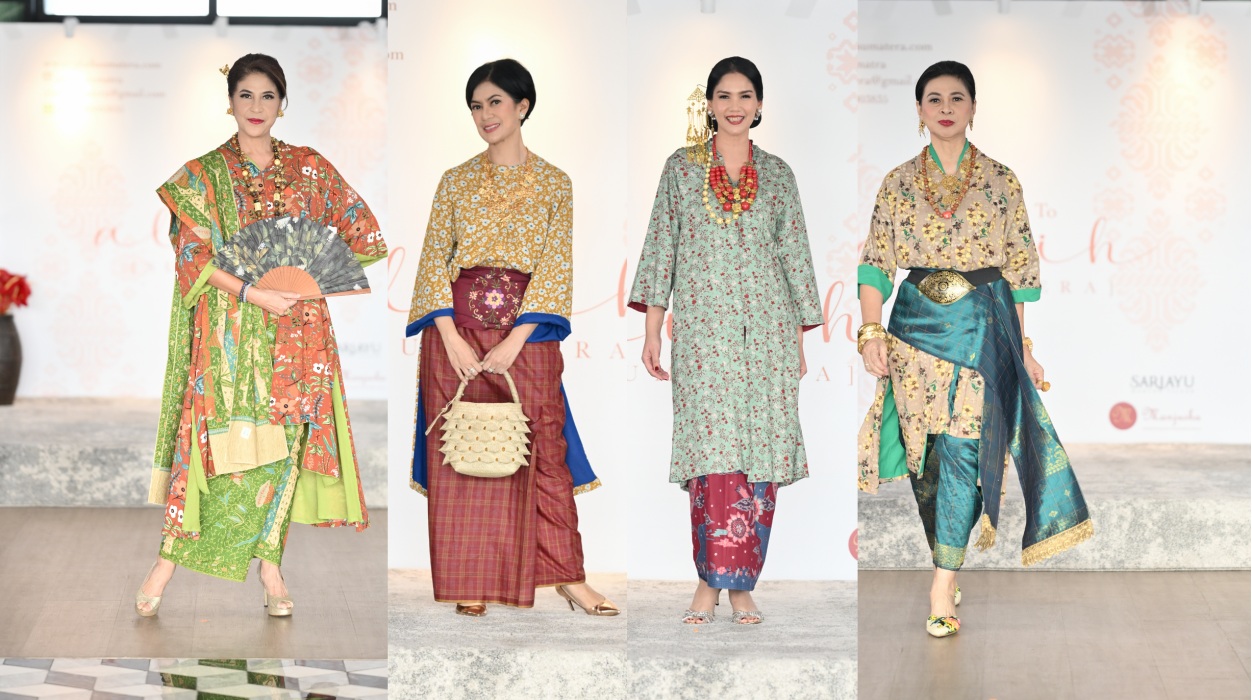
Aluih Sumatera is an Indonesian clothing label dedicated to the contemporary reinterpretation of the Kebaya Panjang Sumatera. Follow their journey at @aluih_sumatera and visit aluih.id for updates on their upcoming launch.